No gallery images
Boat Overview
Boat Description
Westerly Sealord 39 — A Timeless Blue-Water Cruiser Built for Ocean Crossings
1. General Information
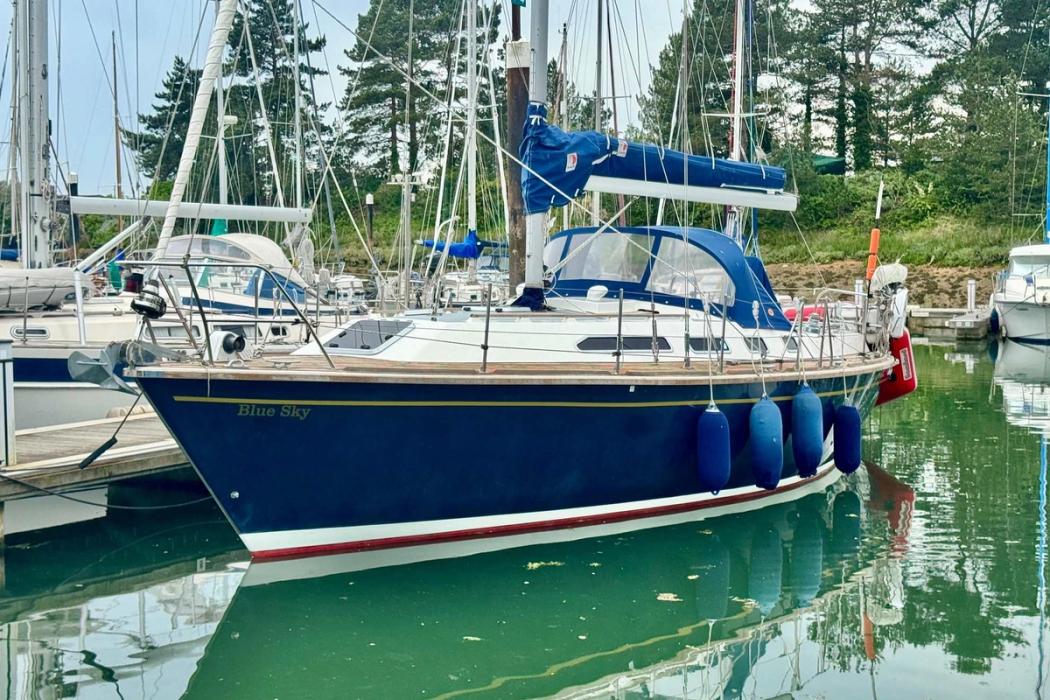
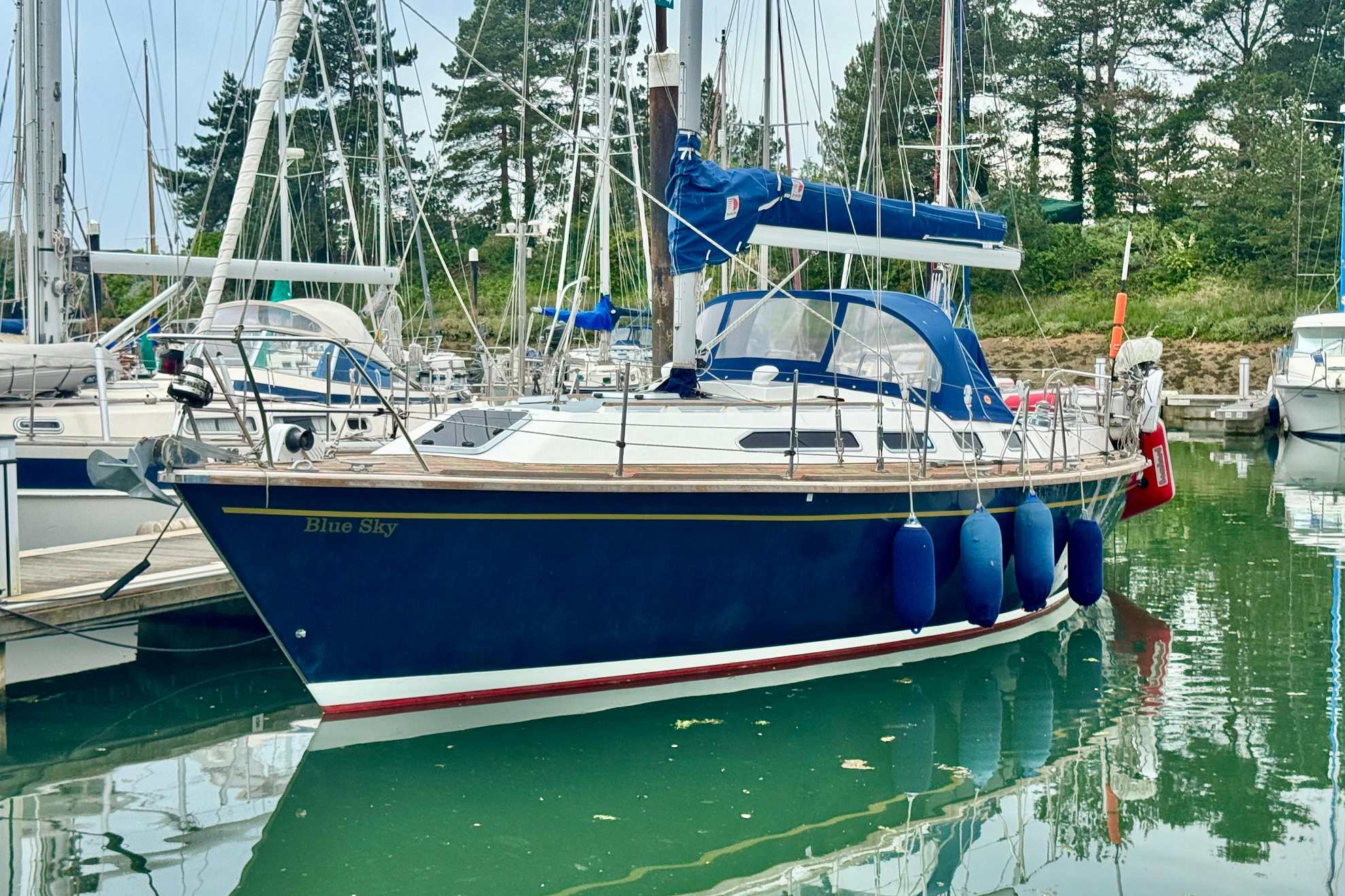
The Westerly Sealord 39 is a sturdy, centre-cockpit cruising sailboat that has earned a loyal following among offshore sailors and liveaboard cruisers since her introduction in 1983. Built by the well-established Westerly Yachts of England and designed by the renowned naval architect Ed Dubois, the Sealord 39 was conceived with one clear purpose: to carry her crew safely and comfortably across open water. Forty-two hulls were completed between 1983 and 1987, a modest production run that reflects her status as a purposeful, semi-custom blue-water yacht rather than a mass-market production boat.
At 11.73 metres (38'6") length overall with a waterline length of 9.9 metres, a beam of 4.01 metres and a displacement of around 8.4 tonnes, the Sealord 39 sits comfortably in the heavy-displacement, offshore-capable category. Her generous ballast ratio of roughly 43% delivers the stiffness and stability that long-distance sailors prize when conditions turn boisterous. Below decks, the layout typically comprises two or three cabins, a spacious saloon with sea berths, a practical galley to starboard, a dedicated navigation station, and two heads — an unusually generous arrangement for a boat of this size, and one that supports genuine liveaboard cruising rather than short coastal hops.
The ideal owner of a Sealord 39 is a couple or small family planning an Atlantic circuit, a circumnavigation, or extended liveaboard cruising, who values seaworthiness, storage capacity and easy sail handling over outright speed. She is equally at home as a capable, affordable entry point into serious blue-water sailing for those stepping up from coastal cruisers.
2. Construction and Design
The Sealord 39 was built with a strong emphasis on durability and long-term serviceability. Her hull and deck are laid up in GRP (glass-reinforced polyester), a construction method chosen for its resilience against the rigours of ocean passages and its comparatively low maintenance burden over decades of use. The fin keel, offered without a bulb, combined with a semi-balanced spade rudder, gives a good balance between directional stability and manoeuvrability — an important consideration for a boat intended to be sailed short-handed on long passages.
Ed Dubois' design brief prioritised a deep, protected centre cockpit that shields the crew from the elements during heavy offshore weather, a hallmark of proper passage-making yachts of her era. Internally, the joinery favours practicality and comfort over showroom flash: solid sea berths with lee cloths, a forward-facing chart table for serious navigation, and a well-thought-out galley designed to work well when the boat is heeled. The masthead sloop rig, carried on a deck-stepped aluminium mast with a single set of spreaders, is straightforward to handle and easy to reef, making the boat approachable for cruising couples rather than requiring a large crew.
3. Key Features
Centre-cockpit blue-water layout: The protected cockpit position keeps the crew drier and safer in rough conditions, while freeing up the aft section of the hull for a generous owner's cabin — a configuration much loved by long-distance cruisers.
Ed Dubois pedigree: Designed by one of the most respected naval architects of his generation, the Sealord 39 benefits from proven offshore sailing manners and a hull shape optimised for comfortable motion at sea.
Robust GRP construction: The glass-reinforced polyester hull and deck are built to withstand decades of hard offshore use, and many examples today have been further reinforced with modern anti-fouling and hull-protection treatments.
Practical two-heads, multi-cabin accommodation: With two heads and a flexible cabin arrangement including a full-beam aft cabin, she comfortably supports liveaboard cruising for a couple, with room for guests or crew.
Easily handled masthead sloop rig: A double-spreader masthead rig with slab-reefing mainsail and genoa furling keeps sail handling manageable for short-handed crews, without sacrificing the sail area needed for genuine offshore passage-making.
4. Summary
The Westerly Sealord 39 speaks to sailors who put seaworthiness, comfort and long-term reliability above outright performance or modern styling. She suits the cruising couple preparing for an Atlantic crossing, the liveaboard sailor seeking a spacious and forgiving platform, and the budget-conscious offshore sailor who wants proven blue-water credentials without the price tag of a custom-built yacht. For anyone drawn to the idea of a stout, well-mannered centre-cockpit cruiser with a genuine pedigree, the Sealord 39 remains a highly credible choice more than three decades after she first took to the water.
Overview
Discover the Pro
Hide ads, help pay for servers & development and unlock Pro only features like, sharing, advanced dashboard, extra storage space & more!
Try Pro for FreeSpecs
Performance & Ratios
42 hulls were built between 1983 and 1987.