Croatian Shipbuilding: Centuries of Adriatic Maritime Excellence
Croatian Shipbuilding: Centuries of Adriatic Maritime Excellence
Croatian shipbuilding represents one of Europe's most enduring maritime traditions, spanning from medieval wooden vessels to modern superyachts that navigate the world's oceans. This Adriatic nation's shipbuilding heritage reflects centuries of innovation, craftsmanship, and adaptation—a legacy that continues shaping the global maritime industry today.
Medieval Foundations and Early Innovations
Croatia's shipbuilding tradition emerged during the medieval period when independent Dalmatian city-states competed for Adriatic dominance. The Condura Croatica, documented by Byzantine Emperor Constantine Porphyrogenitus in the 10th century, exemplified early Croatian naval architecture. These slender warships served Croatian Kings Krešimir IV and Zvonimir during the 11th century, earning recognition as formidable vessels despite their compact dimensions.
Medieval Croatian shipwrights developed distinctive construction techniques suited to Adriatic conditions. Vessels featured rounded bows, raised sterns, and impressive lateen sail configurations reaching 120 square metres on larger examples. These design innovations enabled Croatian vessels to navigate shallow coastal waters whilst maintaining seaworthiness for longer passages—capabilities that established Croatian maritime reputation throughout the Mediterranean.
The Republic of Ragusa (modern Dubrovnik) emerged as a significant shipbuilding centre between the 14th and 19th centuries. Ragusan shipyards constructed merchant vessels that traded across the Mediterranean, their quality and reliability establishing standards that influenced regional maritime commerce. The Republic's strategic positioning and diplomatic acumen enabled its shipbuilding industry to flourish even whilst surrounded by powerful empires.
Traditional Vessels and Regional Variations
Different Adriatic regions developed distinctive vessel types reflecting local requirements and traditions. The batana, originating in Rovinj, became Istria's most widespread traditional boat. These flat-bottomed wooden vessels, measuring 4-8.5 metres, served fishing communities for centuries. The batana's simple yet effective design demonstrated Croatian shipwrights' ability to create perfectly adapted craft for specific maritime environments. In 2016, UNESCO recognised the batana tradition, acknowledging its significance as living maritime heritage.
Along the Dalmatian coast, various fishing and trading vessels emerged, each reflecting accumulated knowledge passed through generations of builders. Traditional construction methods employed locally sourced timber, with craftsmen selecting appropriate wood species for frames, planking, and structural components. This regional expertise created diverse vessel types suited to everything from shallow-water fishing to inter-island cargo transport.
The Golden Age: 19th and Early 20th Century
Croatian shipbuilding reached its zenith during the 19th century when Adriatic shipyards competed with European maritime powers. The transition from sail to steam propulsion challenged traditional builders to adapt centuries-old methods to industrial-age technologies. Croatian yards successfully navigated this transformation, incorporating metal hulls, steam engines, and advanced propulsion systems whilst maintaining the craftsmanship reputation established over previous centuries.
The Austro-Hungarian Empire period (1867-1918) brought significant investment to Croatian shipbuilding infrastructure. Major yards expanded in Rijeka, Pula, and Split, constructing everything from fishing vessels to naval warships. These facilities employed thousands of skilled workers, establishing Croatia as a crucial component of the Empire's maritime capabilities. The expertise developed during this era created foundations for 20th-century industrial shipbuilding.
Socialist Era and Industrial Expansion
Following World War II, Yugoslavia's socialist government invested heavily in shipbuilding as a strategic industry. Croatian yards underwent massive expansion, transforming from traditional craft-focused operations into major industrial complexes capable of series production. The Uljanik shipyard in Pula, with origins dating to 1856, grew into one of Europe's significant shipbuilding facilities, whilst 3. Maj in Rijeka and numerous Split-area yards contributed to Yugoslavia's position amongst the world's top shipbuilding nations.
During the 1970s and 1980s, Croatian yards achieved remarkable production volumes, constructing bulk carriers, tankers, container vessels, and specialised ships for international clients. The industry employed over 30,000 workers at its peak, with Croatian-built vessels sailing under flags worldwide. This period established technical capabilities and workforce expertise that would prove invaluable during subsequent transitions.
Modern Era and Specialisation
Independent Croatia emerged in 1991 facing the challenge of restructuring its shipbuilding industry for competitive global markets. Whilst traditional large-scale commercial shipbuilding declined due to Asian competition, Croatian yards successfully pivoted towards specialisation and high-value segments.
Contemporary Croatian shipbuilding excellence manifests primarily in luxury yacht construction and specialised vessels. Yards along the coast now produce world-class superyachts, expedition vessels, and custom projects requiring sophisticated engineering and premium craftsmanship. This specialisation leverages Croatia's traditional boatbuilding heritage—the attention to detail, woodworking expertise, and understanding of maritime requirements that characterised medieval Condura builders now applies to cutting-edge composite construction and advanced marine systems.
Croatian yards have established reputations for naval and patrol vessels, ferries, and specialised commercial craft where quality trumps price competition. The Brodosplit facility continues building sophisticated ships, whilst numerous smaller yards focus on yacht construction, refit services, and custom projects. This diversified approach sustains thousands of maritime jobs whilst maintaining continuity with centuries of shipbuilding tradition.
Preserving Heritage Whilst Embracing Innovation
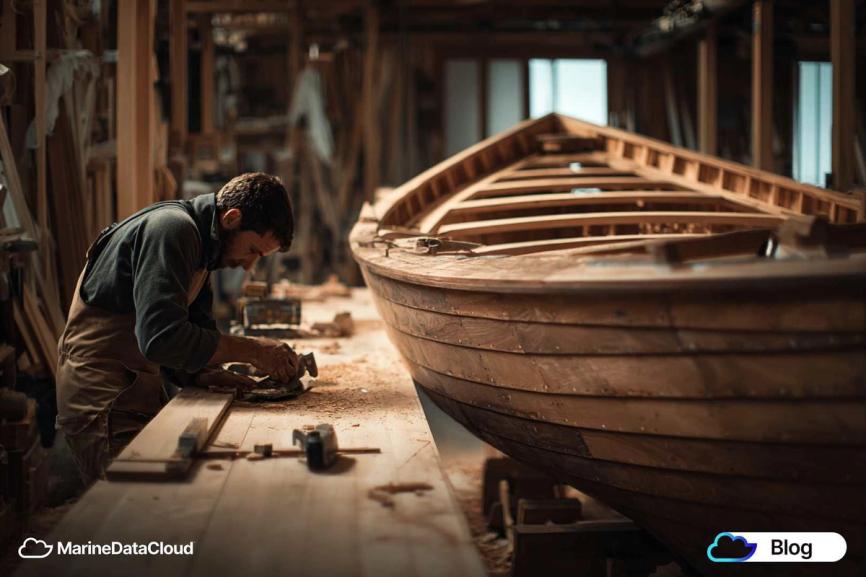
Modern Croatian shipbuilding balances innovation with heritage preservation. Traditional wooden boatbuilding continues through cultural initiatives and ecomuseums, ensuring knowledge transfer to new generations. The House of Batana association exemplifies this approach, maintaining active boatbuilding programmes that teach traditional construction methods alongside contemporary techniques.
Educational institutions throughout coastal Croatia offer maritime training programmes, from traditional craftsmanship to naval architecture and marine engineering. This investment in human capital ensures Croatian shipbuilding maintains the expertise required for competing in premium market segments where craftsmanship and technical sophistication determine success.
Summary
Croatian shipbuilding traces its origins to medieval vessels like the 11th-century Condura Croatica, documented by Byzantine sources and serving Croatian kings. The Republic of Ragusa (14th-19th centuries) established significant shipbuilding operations supporting Mediterranean trade networks. Traditional regional vessels like the batana (4-8.5m flat-bottomed boats) developed to suit specific Adriatic conditions, earning UNESCO recognition in 2016. The 19th century represented a golden age with Austro-Hungarian investment expanding major yards in Rijeka, Pula, and Split. Socialist Yugoslavia's industrial expansion (1945-1991) transformed Croatian shipbuilding into a major industry employing 30,000+ workers at peak production. Modern independent Croatia successfully specialised in luxury yacht construction, naval vessels, and custom projects, leveraging traditional craftsmanship heritage whilst incorporating advanced technologies. Contemporary yards balance commercial viability with cultural preservation, maintaining centuries-old expertise through educational programmes and heritage initiatives. From medieval warships to modern superyachts, Croatian shipbuilding demonstrates remarkable continuity, adaptation, and enduring maritime excellence spanning over 1,000 years.