The Batana: Living Symbol of Croatian Maritime Heritage
The Batana: Living Symbol of Croatian Maritime Heritage
The batana stands as one of Croatia's most cherished maritime treasures, a traditional wooden flatboat that has navigated the waters of Rovinj for centuries, carrying with it the tangible and intangible heritage of Istria's fishing communities. This distinctive vessel, ranging from 4 to 8.5 metres in length, represents far more than a simple fishing boat—it embodies the living culture of Rovinj-Rovigno, connecting generations of mariners through craftsmanship, tradition, and community identity.
Design and Construction Characteristics
The batana's most distinctive feature is its flat bottom, a deliberate design choice that enables navigation and fishing in the shallow coastal waters characteristic of the Istrian coastline. This practical innovation allows the vessel to operate close to shore, access protected bays, and even beach easily essential capabilities for the small-scale fishermen who relied upon these boats for their livelihoods.
Typically measuring between 4 and 6 metres in length for the most common variants, with some examples extending to 8.5 metres, the batana presents a simple yet elegant profile. The vessels traditionally display a colour scheme of white and blue, occasionally accented with red details, creating the iconic appearance that dots Rovinj's picturesque harbour. Whilst some batanas feature a mast for sail propulsion, the majority operate as rowing boats, propelled by the rhythmic stroke of oars through calm Adriatic waters.
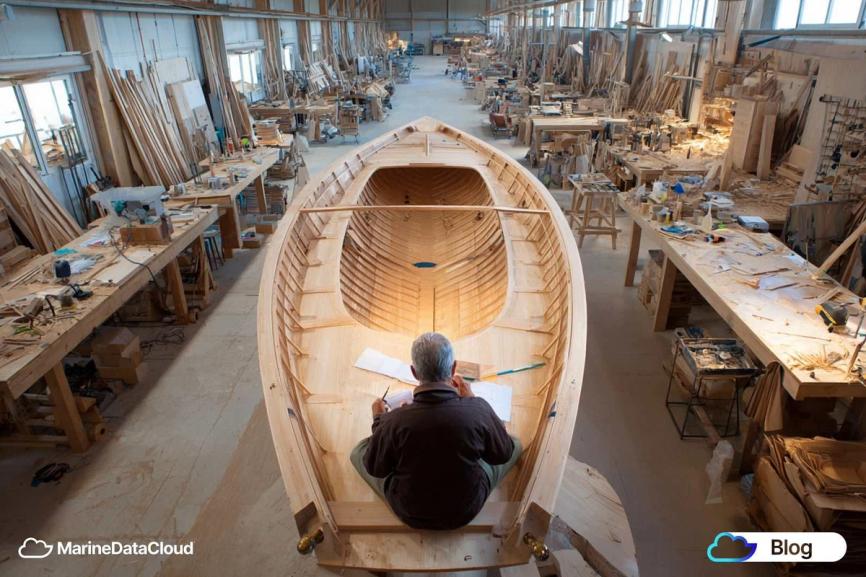
Construction of a batana follows traditional wooden boatbuilding methods passed down through generations of Istrian craftsmen. The techniques employed in creating these vessels represent accumulated knowledge refined over centuries, with each builder contributing their expertise to maintain the distinctive characteristics that define an authentic batana. The craftsmanship involved extends beyond mere construction—it encompasses an understanding of local waters, weather patterns, and the practical requirements of Adriatic fishing communities.
Cultural Significance and Community Identity
As Rovinj's most widespread traditional vessel, the batana transcends its functional role as a fishing boat to become a powerful symbol connecting local residents of various ethnicities. The boat reflects the continuity of local tangible and intangible maritime and fishing heritage, serving as a physical embodiment of the community's relationship with the sea.
The cultural importance of the batana extends into the realm of traditional music and social customs. The bitinàda, traditional songs that emerged from amongst Rovinj's fishermen, developed as mariners spent long hours aboard their batanas fishing or repairing nets. With hands occupied by work, these fishermen created a distinctive vocal tradition that became inseparable from the batana culture itself, forming a rich intangible heritage that continues to resonate through Rovinj's streets and waterfront.
UNESCO Recognition and Preservation
The significance of the batana received international recognition when the Ecomuseum Batana project earned inscription in UNESCO's Register of Best Safeguarding Practices in 2016. This prestigious acknowledgement validated the community's innovative approach to preserving living cultural heritage, highlighting the batana as an exemplary model for maintaining traditional maritime practices in contemporary society.
The House of Batana association, established to safeguard local maritime heritage, created the ecomuseum approach that combines preventive care for tangible heritage—including a collection of fishing tools and boats still in active use—with varied participative programmes engaging the community. The ecomuseum manages three physical spaces whilst maintaining a year-round programme of cultural events, boat building demonstrations, repair workshops, and educational initiatives.
Various activities implemented through the ecomuseum focus on protecting and safeguarding the traditional skills of batana construction, the practice of bitinàda singing, and the broader maritime culture of Rovinj. These efforts ensure that knowledge continues flowing from master craftsmen to apprentices, maintaining the unbroken chain of tradition that has sustained batana culture for generations.
Living Tradition
The Rovinj Regatta of traditional boats with lateen and lug sails ranks amongst the most significant events celebrating the batana and maritime heritage. This annual gathering brings together traditional wooden vessels, celebrating boats, the sea, and sailors in a vibrant demonstration of continuing maritime traditions. Such events prove that the batana remains a living tradition rather than a museum curiosity these boats still ply Rovinj's waters, still serve their communities, and still inspire new generations of mariners.
The batana's influence has extended beyond Croatian waters, with maritime museums and boatbuilding communities worldwide recognising its significance. Projects celebrating connections with Croatian maritime heritage have seen batanas constructed using traditional methods in distant locations, with plans donated by the Batana Eco Museum enabling authentic reproductions.
Summary
The batana represents Croatia's living maritime heritage, a traditional wooden flatboat measuring 4-8.5 metres with a distinctive flat bottom design enabling shallow-water navigation along Istria's coast. Originating in Rovinj, these vessels served fishing communities for centuries whilst developing rich associated traditions including the bitinàda singing custom. Typically painted white and blue with occasional red accents, batanas operate primarily through rowing, though some feature masts. The House of Batana association established an innovative ecomuseum approach combining tangible preservation with participative community programmes, earning UNESCO Register of Best Safeguarding Practices inscription in 2016. Traditional construction methods pass through generations of craftsmen, maintaining authentic building techniques and design characteristics. The annual Rovinj Regatta celebrates continuing maritime traditions with traditional wooden boats. Beyond its functional role, the batana connects diverse community members through shared heritage, embodying the tangible and intangible maritime culture that defines Rovinj's identity and continues inspiring maritime communities worldwide.