The Condura Croatica: Medieval Marvel of Croatian Naval Heritage
The Condura Croatica: Medieval Marvel of Croatian Naval Heritage
The Condura Croatica represents one of the most significant vessels in Croatian maritime history, a slender wooden warship that dominated the Adriatic Sea during the 11th century. These remarkable boats sailed during the golden age of Croatian independence, serving the Croatian national Kings Krešimir IV and Zvonimir, and earning distinction as some of the smallest yet most formidable war vessels in medieval naval warfare.
Historical Significance and Royal Lineage
The Condura Croatica emerged during Croatia's territorial peak under King Krešimir IV's reign (1058-1074) and continued through King Zvonimir's rule until 1089. Byzantine Emperor Constantine Porphyrogenitus documented these vessels in his 10th-century writings, providing crucial historical records that later enabled archaeologists and maritime historians to identify and authenticate the discovered examples. These contemporary accounts established the Condura as a distinctive Croatian contribution to medieval naval architecture, demonstrating the kingdom's maritime prowess and strategic importance along the Dalmatian coast.
The vessels served multiple purposes—functioning as swift military craft, commercial traders, and fast rowing boats capable of outmanoeuvring larger warships. Their versatility made them invaluable assets to the Croatian fleet, enabling rapid coastal defence and facilitating trade throughout the Adriatic.
Design Characteristics and Construction
The Condura Croatica exhibited distinctive design features that set it apart from contemporary Mediterranean vessels. Historical records and archaeological evidence reveal a slender hull form with a characteristically rounded bow and raised stern. This configuration provided excellent hydrodynamic properties, allowing the vessel to achieve impressive speeds under both sail and oar power.
The boats were equipped with one to two masts carrying cross sails, which mariners raised when wind conditions proved favourable. Some larger variants featured impressive lateen sails reaching up to 120 square metres, crafted from flax and mounted on masts as tall as the ship's length. This substantial sail area enabled efficient sailing in the typically light to moderate Mediterranean breezes that characterise the Adriatic during summer months.
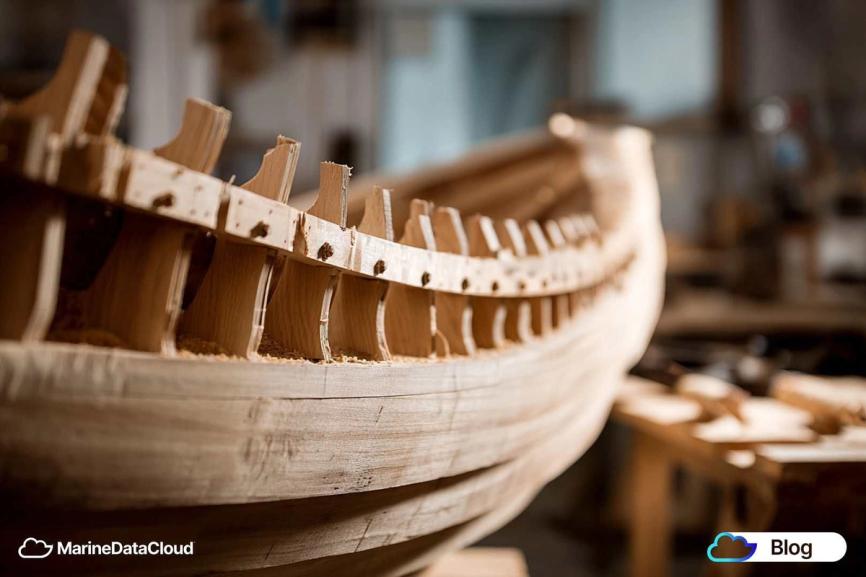
Construction followed traditional wooden shipbuilding techniques prevalent in the 11th century, with skilled craftsmen selecting appropriate timber for frames, planking, and structural members. The vessels demonstrated sophisticated joinery methods and hull construction that reflected centuries of accumulated maritime knowledge passed through generations of Croatian shipwrights.
Archaeological Discovery and Conservation
The modern story of the Condura Croatica began in 1966 when underwater surveys discovered two examples at the entrance to Nin harbour, an ancient Croatian settlement that served as a royal seat during the medieval period. These invaluable monuments to Croatian maritime heritage remained underwater for nearly 900 years before their discovery.
In 1974, teams from the Archaeological Museum in Zadar raised the boats in pieces from the seabed, initiating an extensive long-term conservation programme. Radiocarbon analysis of wood samples confirmed the vessels dated to the second half of the 11th century, precisely the era when Croatian Kings ruled these waters. The conservation work presented significant challenges, as waterlogged wood requires specialist treatment to prevent deterioration once exposed to air.
The boats underwent meticulous restoration at the Archaeological Museum in Zadar, where conservators employed advanced techniques to stabilise and preserve the ancient timbers. Today, the original vessels stand as testament to Croatian maritime heritage, whilst a working reconstruction near Nin allows visitors to appreciate the Condura's elegant lines and seaworthy design.
Maritime Legacy
The Condura Croatica holds particular significance within the broader context of Adriatic maritime traditions. These vessels represent indigenous Croatian naval architecture developed specifically for Adriatic conditions—shallow coastal waters, island archipelagos, and the unique wind patterns that characterise this sea. The boats' relatively shallow draught enabled navigation in harbours and channels where deeper-hulled vessels couldn't venture, providing tactical advantages during both military operations and commercial activities.
Modern mariners exploring Croatian waters sail in the wake of these medieval vessels, following routes established over a millennium ago. The Condura Croatica remains a powerful symbol of Croatia's seafaring heritage, connecting contemporary sailors to the kingdom's maritime traditions and the skilled craftsmen who built these elegant warships.
Summary
The Condura Croatica stands as Croatia's most significant medieval vessel, serving Croatian Kings Krešimir IV and Zvonimir during the 11th century. These slender wooden warships featured rounded bows, raised sterns, and one to two masts carrying substantial lateen sails up to 120 square metres. Byzantine Emperor Constantine Porphyrogenitus documented them as formidable war vessels despite their compact size. Two examples discovered in Nin harbour in 1966 were raised in 1974, with radiocarbon dating confirming their 11th-century origins. Following extensive conservation at Zadar's Archaeological Museum, the vessels now represent invaluable monuments to Croatian maritime heritage. A working reconstruction at Nin allows visitors to appreciate their elegant design. The Condura Croatica embodies indigenous Croatian naval architecture optimised for Adriatic conditions, demonstrating the medieval kingdom's maritime expertise and continuing to inspire modern understanding of historical seafaring traditions.