The House of Batana: Croatia's Award-Winning Maritime Heritage Centre
The House of Batana: Croatia's Award-Winning Maritime Heritage Centre
The House of Batana stands as Croatia's pioneering ecomuseum, an internationally acclaimed institution that transformed traditional heritage preservation by creating a living, breathing connection between Rovinj's maritime past and its vibrant present. Established in 2004 under the patronage of the Town of Rovinj-Rovigno, this innovative cultural centre dedicates itself to safeguarding the traditional wooden batana vessel and the rich fishing community that shaped this Istrian coastal town.
A Revolutionary Approach to Heritage
The Batana Eco-museum represents the first ecomuseum established in Croatia and a unique project within the Adriatic and Mediterranean region. Unlike conventional museums that display artefacts behind glass barriers, the ecomuseum concept embraces a holistic, community-based methodology that treats heritage as a living tradition rather than historical relic. This revolutionary approach earned the institution inscription in UNESCO's Register of Good Safeguarding Practices in 2016, recognising it as an exemplary model for preserving intangible cultural heritage worldwide.
The UNESCO recognition validated the ecomuseum's innovative strategy combining preventive care for tangible heritage—including collections of fishing tools and boats remaining in active use—with varied participative programmes engaging the entire community. This distinction placed the House of Batana amongst the world's finest examples of sustainable heritage preservation, demonstrating how tradition can thrive within contemporary society.
In 2007, the complete batana story received the prestigious Blue Flower Award for the best tourist product on the Adriatic coast, acknowledging both cultural significance and visitor experience excellence. These international accolades established the House of Batana as a benchmark institution, studied by heritage professionals worldwide seeking to replicate its successful community engagement model.
The Permanent Exhibition Experience
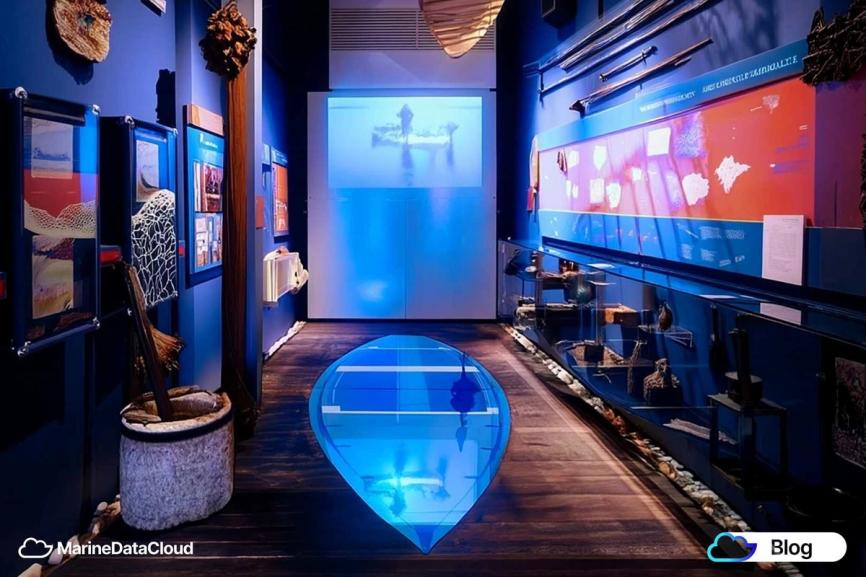
The House of Batana's interpretation and documentary centre opened to the public in 2004, occupying two floors of a typical Rovinj building that itself reflects local architectural heritage. The permanent exhibition showcases comprehensive documentation of how batanas are constructed, demonstrating traditional boatbuilding techniques passed through generations of Istrian craftsmen. Visitors encounter detailed explanations of fishing equipment fabrication, the variety of fishing activities conducted aboard batanas, and the daily rhythms of maritime life that shaped Rovinj's character for centuries.
The exhibition design embraces modern, interactive methodologies that revive rich fishing traditions through engaging multimedia presentations. Texts interweave with photographs and video recordings, creating immersive experiences that transport visitors into the world of Rovinj's fishing community. Rather than passive observation, the museum encourages active participation—visitors don't merely learn about batanas, they experience the culture surrounding these remarkable vessels.
Traditional fishing tools displayed throughout the exhibition demonstrate the sophisticated knowledge required for Adriatic fishing. From net-making techniques to navigation methods adapted for coastal waters, each artefact tells stories of ingenuity, adaptation, and intimate understanding of maritime environments. The collection preserves not just objects, but the accumulated wisdom of generations who earned their livelihoods from the sea.
Educational Programmes and Community Engagement
The House of Batana extends far beyond static displays through comprehensive educational programmes serving children and adults alike. Workshops demonstrate old boat-building techniques, enabling participants to understand the craftsmanship required for batana construction firsthand. These hands-on sessions connect modern audiences with traditional skills, ensuring knowledge transmission continues to new generations.
The ecomuseum employs a full-time boat builder who continues the tradition of constructing at least one new batana annually, maintaining unbroken continuity with historical practices. This living tradition proves that heritage preservation requires more than documentation—it demands active practice. Visitors can observe construction processes, ask questions, and appreciate the skill involved in creating these elegant wooden vessels using time-honoured methods.
Publishing activities complement physical programmes, with the centre producing materials documenting Rovinj's maritime heritage, traditional terminology, and cultural practices. These publications serve both scholarly audiences and general readers, ensuring knowledge preservation through multiple formats. The small glossary of batana-related terms, for instance, captures linguistic heritage associated with these vessels—vocabulary that might otherwise disappear as older generations pass.
Safeguarding Intangible Heritage: The Bitinàda Tradition
Beyond the physical boats themselves, the House of Batana safeguards the intangible cultural heritage inseparable from batana culture. The bitinàda—traditional songs that emerged amongst Rovinj's fishermen—represents a distinctive vocal tradition born aboard batanas during long fishing expeditions. With hands occupied by net repair or fishing activities, mariners created these melodies that became the soul of Rovinj's maritime community.
The bitinàda tradition earned recognition as protected cultural heritage by Croatia's Ministry of Culture, acknowledging its significance within national intangible heritage. The House of Batana actively preserves this singing tradition through performances, workshops teaching traditional songs, and documentation projects capturing melodies before they fade from living memory. These efforts ensure the bitinàda continues resonating through Rovinj's harbour, maintaining acoustic heritage as vital as the boats themselves.
Year-Round Activities and Cultural Events
The Batana Eco-museum maintains a dynamic year-round events programme that brings heritage alive through participatory experiences. Guided tours explore both the museum spaces and the wider "territory" of the ecomuseum—the harbour, boat-building locations, and sites significant to Rovinj's maritime history. These tours often culminate at Spàcio Matika, a local tavern representing traditional social spaces where fishermen gathered, creating complete cultural experiences connecting multiple heritage elements.
Special events celebrate batana culture throughout the calendar, with regattas, festivals, and community gatherings that demonstrate tradition's continuing vitality. The annual batana procession brings together vessels and their owners, creating spectacular visual celebrations of maritime heritage whilst fostering community connections across generations. These events prove that cultural preservation succeeds when it engages communities rather than isolating heritage behind museum walls.
Seminars and conferences hosted by the ecomuseum facilitate scholarly exchange whilst making research results accessible to broader audiences. This commitment to knowledge dissemination ensures the House of Batana functions as both research centre and public institution, bridging academic expertise with community participation.
A Model for Sustainable Heritage Tourism
The House of Batana demonstrates how cultural heritage can drive sustainable tourism that benefits local communities whilst preserving authentic traditions. The ecomuseum attracts international visitors seeking genuine cultural experiences beyond conventional sightseeing, generating economic benefits that justify continued investment in heritage preservation. This approach proves particularly valuable for smaller coastal communities where tourism represents significant economic activity.
The institution's success inspired similar projects throughout Croatia and the Mediterranean, with the ecomuseum methodology now studied as a model for community-based heritage management. The 21 Principles framework for evaluating ecomuseum projects has been applied to assess similar initiatives, establishing benchmarks for successful implementation.
Summary
The House of Batana, established in 2004 in Rovinj, represents Croatia's first ecomuseum and a groundbreaking approach to maritime heritage preservation. The institution earned UNESCO Register of Good Safeguarding Practices inscription in 2016 and the 2007 Blue Flower Award for best Adriatic tourist product. Occupying two floors, the permanent exhibition showcases batana construction techniques, fishing equipment, and maritime traditions through interactive multimedia displays. Educational programmes include boat-building workshops, with an employed craftsman constructing new batanas annually using traditional methods. The ecomuseum safeguards intangible heritage including the bitinàda singing tradition, recognised as protected Croatian cultural heritage. Year-round activities encompass guided tours, regattas, cultural events, seminars, and community programmes engaging diverse audiences. Publishing activities document maritime vocabulary and traditions. The institution pioneered community-based heritage management combining tangible preservation with participatory programming, creating a sustainable model studied internationally. Rather than static displays, the House of Batana maintains living traditions where boats remain in active use, songs continue being sung, and craftsmanship passes to new generations—proving heritage thrives through engagement rather than isolation.