Built by Humans since 2019, Not AI Vibe-coded
Ahoy fellow sailors,
Every seasoned skipper knows the difference between a boat that was assembled and a boat that was built. You can feel it the moment you step aboard: in the way the hatches seat, the way the lines lead, the way every fitting is exactly where your hand expects it. Somebody thought about you when they put it there.
That is how we build TheBoatApp and TheBoatDB. By a crew of professionals. On purpose. Since Feb 2019.
Long before "vibe coding" became a phrase, we were already at work. When development of TheBoatApp and TheBoatDB began in February 2019, vibe-coding was not a thing. The platform was built the way serious software is built: by professionals who understand every part of it, and it has been built that way ever since.
A whole crew, at digital-sea since Feb 2019
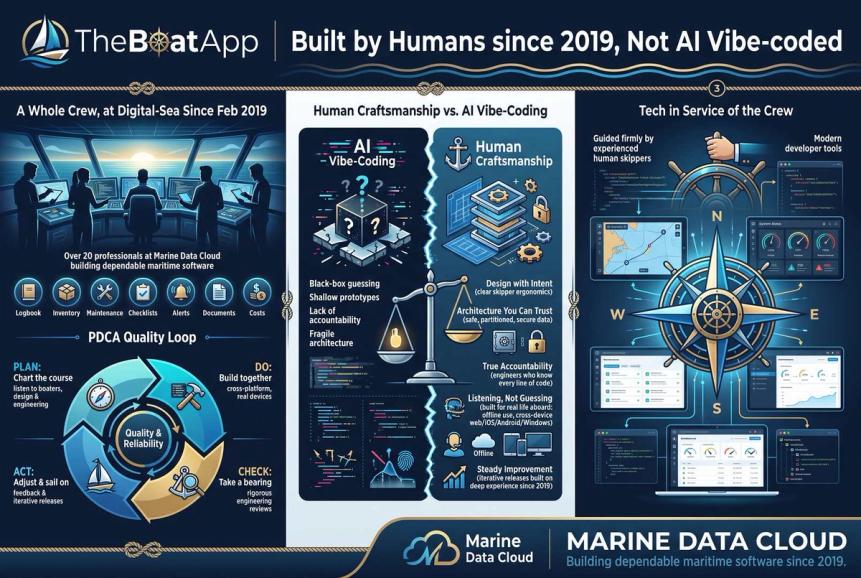
TheBoatApp and TheBoatDB were never a one-person show. Since Feb 2019, more than 20 professionals at Marine Data Cloud have pulled together on a shared conviction: boaters deserve one dependable place for everything their boat knows about itself (logbook, inventory, maintenance, tasks, checklists, alerts, documents and costs) and a trustworthy reference database of the boats themselves. That crew spans designers, software engineers, and back-end, front-end and mobile developers, with the specialists who support them.
Release after release, each discipline has added its own craft, and each has checked the others' work. Designers sketched the first screens and argued over how a maintenance schedule should feel. Engineers shaped the architecture beneath. Developers on the web, the back end and mobile built, tested on real devices and went back to the drawing board when something did not sit right. No single hand, however skilled, could chart a course like that. It takes a crew.
That patient, iterative craft is visible in the product. Not because it is flashy, but because it is coherent.
Behind every release sits the same Plan-Do-Check-Act loop, with human professionals at every step: people plan it, build it together, check it and learn from it before the next one sets sail.
- Plan: chart the course. Listen to boaters and shape the feature together with designers and engineers.
- Do: build it together. Designers and developers build and test it.
- Check: take a bearing. Engineers review the work before it is released.
- Act: adjust and sail on. Release, gather feedback and feed the next plan.
What "vibe-coded" means, and why we steer clear
"Vibe coding" is the practice of describing what you want to an AI tool and shipping whatever comes back, with little understanding - if any - of how it works underneath. It can be great for a quick prototype. It is a poor way to build the system that holds your boat's service history, your safety checklists and your documents.
A vessel is not the place for guesswork. When your data is the logbook you rely on, the maintenance record you show a buyer or the checklist you run before leaving the berth, it needs to be built by people who understand it, can explain it and are accountable for it.
What human craftsmanship gives you
- Design with intent. Every screen, flow and label has been considered by a person who asked: will a skipper understand this at a glance?
- Architecture you can trust. The platform's structure (how your data is stored, separated, protected and shared) is designed and reviewed by engineers who own those decisions.
- Accountability. When something needs fixing, there are real people who know the code, understand the reasons behind it and answer for it. Your data is handled by a platform whose builders can explain how it technically works.
- Listening, not guessing. Features such as offline use, sharing, custom fields, public checklists and boat continuity came from understanding how boaters actually live aboard, not from statistical guesses about what boaters might want. We are actively collecting user-feedback, talking with the users, and implementing accordingly to provide the best user-experience possible across all devices and environments (web, mobile, iOS, Android, Windows, etc).
- Steady, deliberate improvement. Regular releases since 2019 means many years of lessons learned, kept and built upon.
Technology in service of the crew, not the other way round
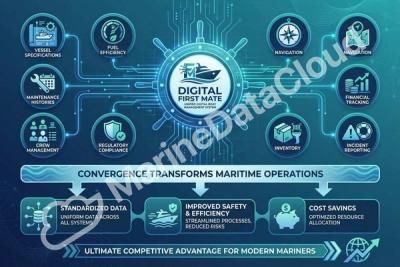
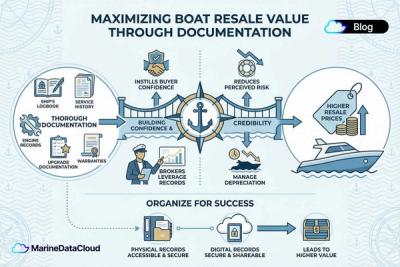
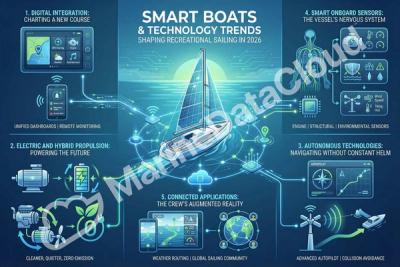
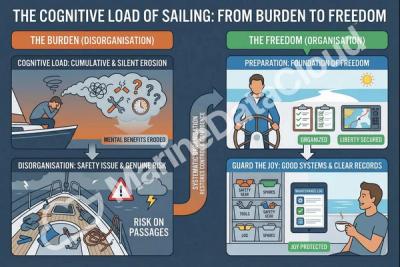
We are tech enthusiasts, and good tools earn their place on deck. A clear infographic, for example, can explain a feature, an update, a fix or a tutorial in a single glance, and modern tooling can help us produce them. But a tool is only as good as the hand on it. Anything of the kind is guided and checked by our professional engineers and our back-end, front-end and mobile developers, people who understand what the product does and how it works underneath. What we do not do is hand the helm to someone who cannot read the chart: no vibe-coding by people without software-engineering skills or a real grasp of what is being built. At Marine Data Cloud, the crew decides what is built, how it is built and when it is ready to sail.
The horizon ahead
We will keep refining, keep listening and keep building, with human hands, hearts and heads, as set out in 2019. Your boat's data deserves nothing less than a crew that cares about it.
Fair winds,
George & TheBoatApp Crew
Explore what we have built: TheBoatApp features | TheBoatDB features | What TheBoatApp Does and How it Works