The Resale Value Secret Every Boat Owner Should Know
Maximising Your Boat's Resale Value Through Documentation
The Power of Meticulous Records: Why Documentation Drives Real Returns
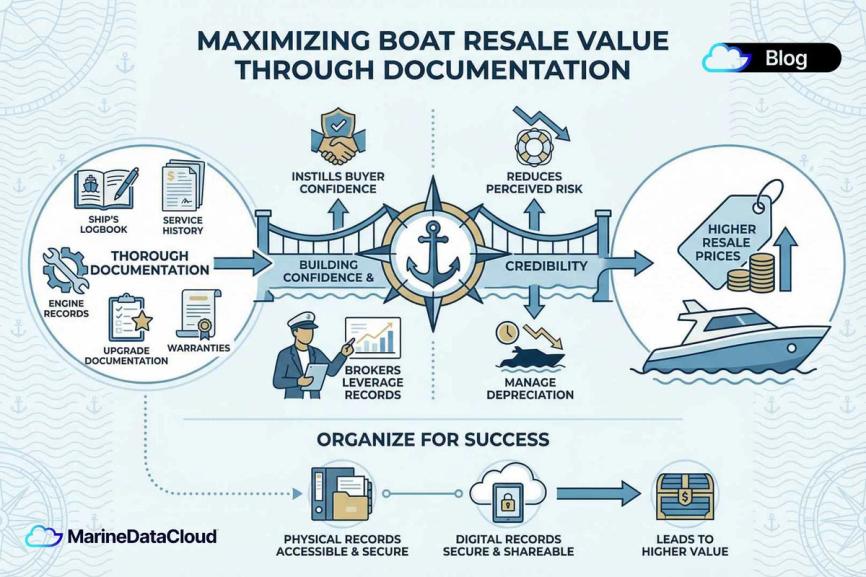
Every seasoned mariner knows that a vessel is only as strong as its maintenance log. Yet many boat owners charting towards a sale underestimate the tangible value that comprehensive documentation brings to the table. The truth is unmistakable: well-maintained boats with complete records often command significantly higher resale prices than similar vessels without documented proof. It's not merely about what buyers see on deck—it's about what they discover in your logbooks.
The boat resale market operates on trust, and trust is built through evidence. When a prospective buyer or broker examines your vessel, they're conducting a systematic assessment. They scrutinise engine hours, service intervals, and the timeline of critical repairs. Documentation transforms your narrative from "I think it was serviced regularly" into irrefutable proof of stewardship. This distinction can mean the difference between settling for a lower asking price and securing top dollar for your investment.
Think of your maintenance records as the compass guiding buyers through your boat's complete voyage. Each entry illuminates the vessel's journey—where it's been serviced, what systems have been maintained, and what upgrades enhance its functionality and appeal.
Understanding the Buyer's Perspective: What Documented Proof Reveals
Modern boat buyers have become increasingly sophisticated. Many conduct their own research before stepping aboard, and a significant portion of their confidence stems from documentation review. When examining a potential purchase, buyers prioritise evidence over promises.
A comprehensive maintenance record should encompass general servicing, cleaning protocols, repainting and cosmetic work, and crucially, all major mechanical interventions. Engine service histories demonstrating consistent oil and filter changes, major repair documentation, and electronic upgrades all factor heavily into a buyer's appraisal. Low engine hours combined with meticulous service records enhance your vessel's marketability substantially.
The psychology here is compelling: buyers equate thorough documentation with responsible ownership. When they observe detailed records spanning years, they're witnessing a pattern of diligence. Conversely, gaps in documentation—missing years, vague entries, or absent service records—raise red flags. Prospective purchasers instinctively distrust what isn't documented, leading them to negotiate downwards or walk away entirely.
Buyers also recognise that documented maintenance reduces their risk. A boat with a clear, organised service file signals lower probability of hidden problems and unexpected repair costs post-purchase. This psychological reassurance translates directly into willingness to pay premium prices.
The Broker's Advantage: How Professionals Leverage Documentation
Marine brokers operate in the currency of credibility. Their reputation depends on accurately representing vessels and guiding clients towards sound purchases. Brokers reviewing your boat expect complete documentation—titles, maintenance records, registration, warranty information, and any relevant service certificates.
When brokers present your vessel to qualified buyers, they wield documentation as their most powerful sales tool. An organised portfolio of service records allows brokers to confidently articulate your boat's condition and highlight the owner's commitment to upkeep. This narrative sells faster and attracts serious, well-qualified buyers rather than bargain hunters hoping for a quick deal.
Brokers understand depreciation mechanics intimately. They know that new yachts can lose 10–15% of their value within the first year, and that used vessels aged 5–10 years typically depreciate 30–50%. However, brokers also recognise that this trajectory isn't inevitable. Depreciation hits hardest in the first three years, but proper maintenance and thorough documentation can decelerate the decline significantly.
A broker examining your boat conducts a detailed inspection, function testing, and comprehensive documentation review. They're assessing not just the physical condition but also the narrative your records tell. A well-documented vessel demonstrates that depreciation has been managed intelligently. The broker can then confidently position your boat as a superior investment within its market segment.
Assembling the Complete Documentation Arsenal
Effective documentation extends far beyond a single log. Consider this the essential inventory every seller should prepare:
Maintenance and Service Records: Maintain a comprehensive maintenance log documenting every service performed—engine oil changes, filter replacements, hull inspections, electrical system diagnostics, and plumbing repairs. Each entry should include dates, service provider details, parts replaced, and costs incurred.
Engine and Mechanical Documentation: Comprehensive engine records represent the crown jewel of your documentation portfolio. Track all engine hours meticulously, record each service interval, document any major repairs, and maintain receipts for critical components. Engine history directly influences resale value since propulsion system reliability drives buyer confidence.
Upgrade and Enhancement Records: When you've invested in electronic upgrades, new equipment installations, or system modernisations, document these improvements thoroughly. New navigation systems, upgraded communication equipment, or modern safety apparatus can significantly enhance perceived value if properly documented.
Structural and Cosmetic Maintenance: Don't overlook the importance of documenting cosmetic and structural work. Records of hull repainting, anti-fouling applications, interior refurbishment, and upholstery replacement demonstrate a commitment to maintaining appearance and protecting the vessel's integrity.
Warranty Documentation: Preserve all warranty information, extended coverage agreements, and manufacturer documentation. These items provide buyers with added confidence regarding protected components and systems.
Professional Surveys and Inspections: If you've commissioned professional marine surveys or specialist inspections, retain these reports. Independent professional assessments validate your maintenance claims and provide third-party credibility.
The Digital Advantage: Organising Documentation for Impact
Modern documentation strategy encompasses both physical and digital organisation. Compile all records chronologically, creating a narrative arc that illustrates continuous, responsible stewardship. Digitise your documentation, creating accessible files by category and date range.
Organised documentation doesn't merely impress; it fundamentally transforms how brokers and buyers perceive your vessel. When you can instantly produce engine maintenance records spanning a decade, when you can confidently reference the date of the last survey and provide digital copies of all upgrade receipts, you're communicating competence and professionalism.
Key Takeaway Summary
The resale value trajectory of any boat ultimately reflects the owner's commitment to documentation and maintenance. A well-maintained vessel with comprehensive, organised records commands a measurable premium in today's market—studies demonstrate that documented boats fetch significantly higher prices than similar undocumented vessels.
Buyers and brokers both recognise that thorough documentation reduces uncertainty and risk. When purchasing a boat, buyers expect evidence, not assurances. They understand that depreciation patterns can be influenced through superior maintenance practices, and thorough records prove you've managed this critical variable.
The fundamental principle is straightforward: full stop. A well-documented boat is worth more. The investment you make in meticulous record-keeping, catalogued inventories, and systematic service documentation pays dividends when you navigate towards the sale. By charting this course—maintaining clear records, organising comprehensive documentation, and presenting buyers with irrefutable evidence of stewardship—you're positioning your vessel for maximum resale value. The rewards are tangible, measurable, and worth the effort of maintaining this critical logbook.