Smart Boats & Technology Trends Shaping Recreational Sailing
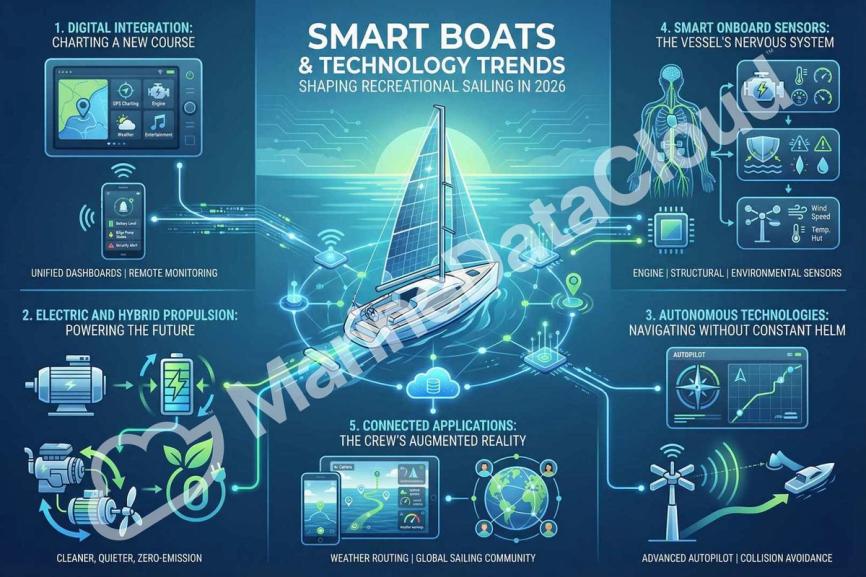
The Tide of Technology Has Already Turned!
The marine industry stands at a pivotal moment in its evolution. As we navigate towards 2026, the convergence of cutting-edge technologies and maritime tradition is fundamentally transforming how recreational sailors experience the sea. The tide of technology has already turned—those who harness these innovations are sailing confidently ahead whilst others risk being left adrift in yesterday's waters.
The recreational boating sector is experiencing unprecedented technological disruption. From the moment a modern mariner steps aboard, they encounter an ecosystem of interconnected systems designed to enhance safety, efficiency, and enjoyment. Digital integration has become the compass guiding this transformation, with onboard electronics seamlessly communicating with cloud-based applications, weather systems, and navigation aids in real-time.
Digital Integration: Charting a New Course
The convergence of maritime technology and digital ecosystems represents a fundamental shift in how sailors interact with their vessels. Modern recreational sailboats increasingly feature integrated systems that consolidate navigation, weather data, engine diagnostics, and crew communication into unified dashboards. Rather than juggling multiple standalone devices and paper charts, contemporary mariners now benefit from comprehensive digital platforms that present critical information precisely when and where it's needed.
This integration extends beyond the vessel itself. Connected apps now enable boat owners to monitor their vessels remotely, receive weather alerts tailored to their location, access real-time tide and current data, and coordinate with fellow sailors through digital communities. The smartphone has become the mariner's extended arm—a portable bridge connecting land and sea.
Electric and Hybrid Propulsion: Powering the Future
Perhaps no technological advancement carries as much promise—or represents as significant a shift—as the rise of electric and hybrid propulsion systems. Traditional diesel engines, long the standard for recreational sailing, are giving way to cleaner, quieter alternatives that promise to revolutionise the boating experience.
Electric propulsion systems offer several compelling advantages for recreational sailors. They operate with significantly reduced noise and vibration, transforming the onboard experience into something more peaceful and refined. Zero-emission operation aligns modern yachting with environmental stewardship, allowing sailors to explore pristine waters without leaving a carbon footprint. Battery technology continues advancing rapidly, with lithium-ion systems now providing sufficient range for extended day cruising and even extended passages when properly planned.
Hybrid systems present an elegant compromise, particularly for vessels requiring extended autonomy. By combining electric motors with traditional fossil fuel engines, hybrid propulsion allows sailors to utilise electric power during manoeuvring, docking, and low-speed cruising whilst maintaining combustion engine capability for long-distance voyaging. This hybrid approach represents pragmatic innovation—honouring both environmental responsibility and the practical demands of modern maritime life.
Autonomous Technologies: Navigating Without Constant Helm
Autonomous systems are advancing from science fiction into practical maritime reality. Modern recreational sailboats increasingly incorporate autopilot systems of remarkable sophistication—adaptive systems that learn the vessel's characteristics, account for wind and current variations, and maintain course with precision that challenges even experienced helmspeople.
Beyond basic autopilot, emerging autonomous capabilities include collision avoidance systems that use radar and optical sensors to detect obstacles and alert crews. Advanced systems can autonomously adjust sail configurations in response to changing wind conditions, significantly reducing the physical demands of sailing whilst enhancing safety. For single-handed sailors and shorthanded crews, these technologies effectively multiply human capability, allowing safer, more ambitious voyages.
Autonomous anchoring systems represent another frontier, enabling vessels to deploy anchors and maintain position with minimal crew intervention—particularly valuable in challenging conditions or when crew fatigue presents safety concerns.
Smart Onboard Sensors: The Vessel's Nervous System
Modern recreational sailboats feature an array of intelligent sensors that continuously monitor every significant system. Engine management sensors track fuel consumption, temperature, pressure, and maintenance intervals, predictively alerting crews before problems develop. Structural sensors monitor hull integrity, rigging tension, and keel alignment—early warning systems that can prevent costly damage.
Environmental sensors track wind speed and direction, barometric pressure, temperature, and humidity, automatically adjusting systems and alerting crews to changing conditions. Water quality sensors monitor engine coolant, bilge water, and other critical fluids. Power management sensors track battery levels, charging rates, and power consumption patterns, optimising energy usage across the vessel.
This sensory network transforms the vessel into an intelligent system that actively monitors its own health and performance. Rather than sailors needing to remember to check systems manually, these sensors provide continuous oversight, freeing crews to focus on seamanship and enjoyment rather than maintenance vigilance.
Connected Applications: The Crew's Augmented Reality
The smartphone and tablet revolution has extended maritime navigation into the digital realm. Modern navigation apps provide chart plotter functionality, weather routing, anchor alarm capabilities, and crew communication tools—often with better user interfaces than dedicated marine electronics of previous generations. These applications seamlessly integrate satellite imagery, real-time weather data, crowdsourced hazard reporting, and social features that connect the global sailing community.
Weather routing applications now employ machine learning algorithms to analyse thousands of weather data points and historical performance data, calculating optimal routes that minimise passage time, improve comfort, or reduce fuel consumption. Sailors planning voyages can visualise conditions days in advance, make informed decisions about timing and routing, and share plans with shore-based support teams.
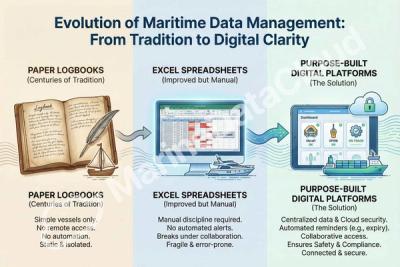
Community-driven apps enable sailors to report hazards, share anchorage information, document their voyages, and maintain digital logbooks. These distributed intelligence networks harness the collective knowledge of thousands of mariners, creating information resources far richer than any individual could compile.
The Modern Mariner's Advantage
The recreational sailor who embraces these technologies possesses capabilities that seemed impossible merely a decade ago. They navigate with precision informed by real-time global data. They operate propulsion systems with environmental responsibility. They maintain complete awareness of their vessel's condition through intelligent monitoring. They navigate autonomously when beneficial and maintain manual control when seamanship demands it.
Yet technology remains a tool serving human expertise, not replacing it. The most capable modern sailors are those who understand both classical seamanship and contemporary digital systems—mariners who can navigate by stars if electronics fail, yet leverage digital tools to enhance safety and efficiency when conditions permit.
The tide of technology in recreational sailing has unmistakably turned. Those who learn to sail these technological currents will find themselves navigating with greater confidence, capability, and environmental responsibility than ever before. The future of recreational sailing isn't about replacing tradition—it's about amplifying human capability whilst honouring the timeless principles of seamanship that have guided mariners for centuries.
Summary
The recreational marine industry is undergoing transformative change as digital integration, electric and hybrid propulsion systems, autonomous technologies, intelligent sensors, and connected applications converge to reshape how modern sailors experience the sea. Digital ecosystems now consolidate critical information into unified platforms, whilst electric and hybrid engines offer cleaner, quieter operation. Autonomous systems reduce physical demands and enhance safety, whilst intelligent sensors continuously monitor vessel health. Connected apps harness collective maritime knowledge and provide real-time decision-making support. Modern mariners who embrace these technologies gain significant advantages in safety, efficiency, and capability—positioning themselves to sail confidently ahead of the fleet.